Introduction
In an era dominated by rapid technological advancements, businesses are constantly on the lookout for efficient solutions that streamline operations and reduce expenses. One such innovation is the Voice over Internet Protocol (VoIP) phone system. Offering features that traditional telephony cannot match, VoIP systems have gained traction as the go-to solution for many organizations looking to optimize their communication strategies. But, how exactly can implementing a VoIP phone system lead to significant cost savings? Let's embark on this journey together in “A Deep Dive into Cost Savings of Implementing a VoIP System.”
Understanding VoIP Phone Systems
What Is a VoIP Phone System?
At its core, a VoIP phone system allows users to make voice calls using the internet instead of traditional telephone lines. This technology converts voice signals into digital data, which then travels over the internet. The benefits? Reduced costs and enhanced flexibility.
How Do VoIP Phone Systems Work?
VoIP works by utilizing existing broadband internet connections. The process involves:
Conversion: Your voice is converted into digital packets. Transmission: These packets travel over the internet to their destination. Reception: At the other end, they are reassembled into audio.This seamless process makes it possible for users to communicate without incurring hefty charges associated with traditional telephony.
The Cost Benefits of Switching to VoIP Phone Systems
Lower Call Costs
One of the primary advantages of using a VoIP phone system is significantly lower call costs, especially for long-distance and international calls. Traditional telephone services often charge premium rates for these types of calls, whereas VoIP providers typically offer much more competitive pricing.
Reduced Infrastructure Expenses
With a conventional phone system, businesses face high installation and maintenance costs for hardware like PBX systems. However, with VoIP systems, much of this infrastructure is virtualized or hosted in the cloud, reducing initial setup costs.
Scalability Without Breaking the Bank
As businesses grow, they often require more lines and services to accommodate their expanding needs. With traditional systems, adding new lines can be cumbersome and costly. In contrast, scaling up a VoIP phone system usually requires just software adjustments or additional licenses—making it both simple and cost-effective.
Enhanced Features Leading to Savings
Unified Communications: More Than Just Calls
VoIP systems often come equipped with additional features such as video conferencing, instant messaging, voicemail-to-email capabilities, and more—allowing teams to collaborate seamlessly without needing multiple subscriptions or tools.
Mobility: Work From Anywhere
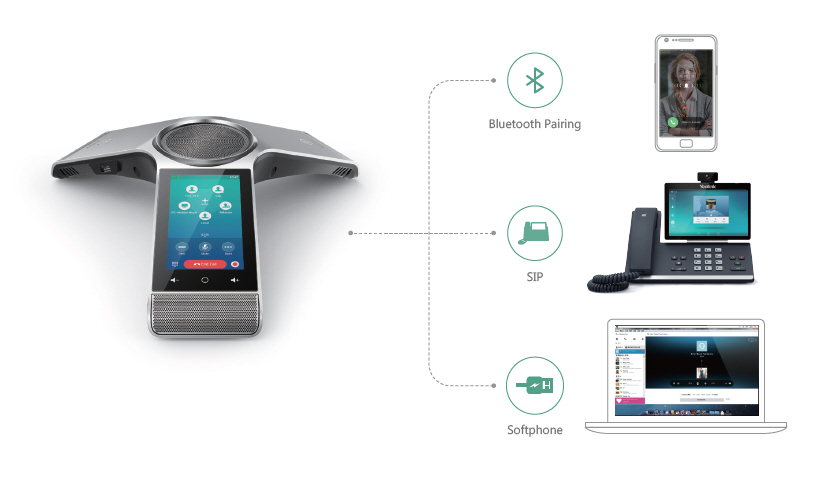
VoIP technology allows employees to make calls from any device that has internet access—be it a smartphone or laptop—enabling remote work without additional costs associated with separate mobile plans or landlines.
Comparative Analysis: Traditional Telephony vs. VoIP Phone Systems
| Feature | Traditional Telephony | VoIP Phone Systems | |------------------------|-----------------------|-------------------------| | Initial Costs | High | Low | | Long-Distance Charges | High | Minimal | | Scalability | Difficult | Easy | | Additional Features | Limited | Extensive | | Mobility | Limited | High |
Examining Hidden Costs in Traditional Phone Systems
Maintenance Fees That Add Up Over Time
Businesses often overlook ongoing maintenance fees tied to traditional telephony systems. These can accumulate quickly as hardware ages or requires repairs—costs that are largely eliminated with cloud-hosted VoIP solutions.
Training Costs for Employees
Transitioning employees from outdated systems can incur training costs as well. However, many modern VoIP platforms feature user-friendly interfaces that minimize training requirements—resulting in significant indirect savings.
Addressing Common Misconceptions About VoIP Phone Systems
Is Quality Compromised?
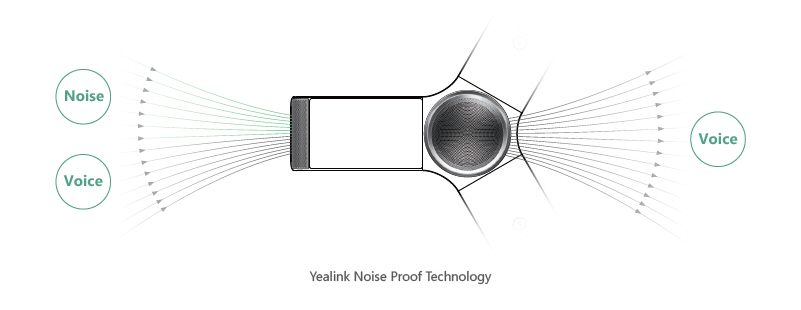
One common concern about switching to a VoIP system is the quality of voice calls compared to traditional services. In reality, when adequately implemented with robust internet connections and bandwidth management practices, sound quality can meet or even exceed that of conventional phones.
Are There Security Risks?
Security is often cited as a concern regarding online communication methods like VoIP systems; however, reputable providers implement advanced security measures such as encryption and secure access protocols to safeguard your data effectively.
Transitioning Smoothly: Steps for Implementation
Conducting an Initial Assessment
Before making any changes:
Choosing the Right Provider
Selecting an experienced provider who aligns with your business goals is crucial in ensuring effective implementation while maximizing savings.
Measuring Success Post-Implementation
Once your new system is live:
- Monitor usage patterns. Evaluate savings against initial projections. Adjust plans where necessary for optimization.
FAQs About Implementing a VoIP Phone System
1. What are the primary cost savings associated with using a VoIP phone system?
The main cost savings stem from lower call rates (especially long distance), reduced infrastructure expenses due to cloud hosting, and minimal maintenance fees compared to traditional systems.
2. How does scalability work in a VoIP environment?
Scaling up in a VoIP environment typically involves https://rentry.co/cxmhc82e adjusting software settings rather than physical installations—making it quick and affordable compared to traditional setups.
3. Will my call quality suffer if I switch to a VoIP phone system?
Not necessarily! With adequate bandwidth and proper setup, many users find call quality matches or surpasses that of traditional telephony options.

4. Are there hidden fees I should be aware of when selecting a provider?
While most providers offer transparent pricing models, it's essential to ask about any potential hidden fees related to setup or ongoing service charges before committing.
5. Can I integrate my existing equipment with new VoIP technology?
In many cases yes! Most modern providers offer solutions compatible with existing hardware but always consult with your chosen provider first for specifics on integrations available.
6. Is security an issue when using Voice over Internet Protocol?
Although concerns exist around online security breaches generally speaking; reputable providers utilize encryption protocols ensuring secure communications throughout your organization’s network activities!
Conclusion
In conclusion, “A Deep Dive into Cost Savings of Implementing a VoIP System” reveals numerous financial benefits that come hand-in-hand with embracing this innovative technology for business communications! From drastically lower calling costs & reduced infrastructure expenses down through enhanced features leading towards improved productivity & efficiency; adopting these advanced tools equips companies better position themselves competitively within today’s fast-paced marketplace!
Don’t let outdated telecommunications hold you back any longer! Instead start exploring how switching over may not only save money but also empower teams across all departments maximizing collaboration ultimately achieving greater success overall!